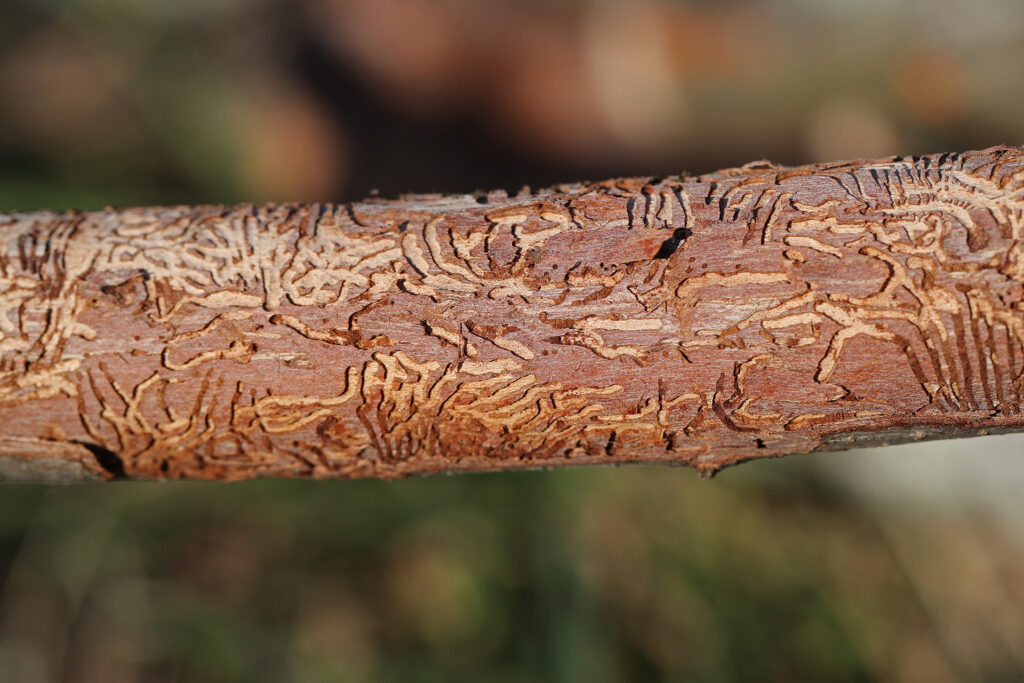
Trees are an essential part of our environment, providing shade, oxygen, and a home for wildlife. However, trees in Wimborne, Poole, Blandford, Ferndown, Verwood, Christchurch, and Bournemouth are at risk of disease, which can weaken their structure and make them hazardous. Some tree diseases are minor and treatable, but others can spread rapidly, causing trees to decay and die. Knowing the early warning signs can help prevent unnecessary damage to trees and property.
1. Ash Dieback 🍂
One of the most serious threats to ash trees in the UK, Ash Dieback is caused by a fungus (Hymenoscyphus fraxineus) that affects the tree’s vascular system, preventing water and nutrients from circulating properly.
🔍 How to Spot It:
- Leaves develop dark patches and curl inwards.
- Lesions (diamond-shaped marks) appear on the bark, particularly where branches meet the trunk.
- Branches become brittle and prone to breaking, increasing the risk of falling limbs.
If left untreated, Ash Dieback can kill a tree within a few years. Unfortunately, there is no cure, but early removal of infected trees can help prevent the disease from spreading.
2. Honey Fungus 🍄
Honey Fungus is a destructive disease that attacks the roots of many tree species, including oak, beech, and fruit trees. This fungal infection spreads underground, making it difficult to detect until significant damage has occurred.
🔍 How to Spot It:
- Clusters of honey-coloured mushrooms grow at the base of the tree in autumn.
- The bark may develop white fungal growth underneath.
- Trees show stunted growth, leaf yellowing, and sudden wilting.
Honey Fungus is one of the most aggressive tree diseases, as it spreads through root contact and can affect entire woodlands. If detected, removing infected trees and their roots is essential to stop further contamination.
3. Dutch Elm Disease 🍁
This disease has devastated elm populations in the UK since the 1970s. It is caused by a fungus (Ophiostoma novo-ulmi) spread by elm bark beetles. Once infected, trees experience rapid decline and death, often within a single growing season.
🔍 How to Spot It:
- Leaves begin to wilt, turn yellow, and fall off prematurely.
- The bark may show cracks with dark streaks underneath.
- Branches become dry and brittle, eventually leading to the death of the tree.
There is no effective cure, but infected trees should be removed immediately to prevent the disease from spreading to healthy elms.
4. Oak Processionary Moth (OPM) 🐛
Unlike other diseases, OPM is caused by a caterpillar infestation rather than a fungal or bacterial infection. These caterpillars, which feed on oak trees, strip leaves and weaken the tree’s ability to photosynthesise, making it more vulnerable to other diseases.
🔍 How to Spot It:
- Trees appear defoliated, with large areas of missing leaves.
- White silk nests on the trunk or branches indicate the presence of caterpillars.
- Caterpillars are covered in tiny toxic hairs, which can cause rashes, breathing problems, and eye irritation in humans and pets.
OPM infestations must be reported to forestry authorities, as they are a serious environmental and public health concern.
5. Phytophthora Root Rot 🌱
This soil-borne pathogen affects a wide range of trees, including beech, oak, and conifers. It attacks the roots, preventing trees from absorbing nutrients and water, leading to decay and eventual death.
🔍 How to Spot It:
- Leaves turn yellow and wilt prematurely.
- The tree may show sudden dieback, with branches deteriorating quickly.
- The base of the trunk may develop cracks and oozing lesions.
Phytophthora spreads through contaminated soil and water, so infected trees should be removed immediately to prevent further spread.
Protecting Your Trees
💡 Early detection is key to saving trees and preventing the spread of disease. If you notice any of these symptoms, Hanwell Tree Care can assess the health of your trees and recommend the best action. Whether it’s pruning to remove infected branches or complete tree removal for safety, our expert team is here to help.
📞 Concerned about tree disease? Contact Hanwell Tree Care today for a professional inspection and expert advice.