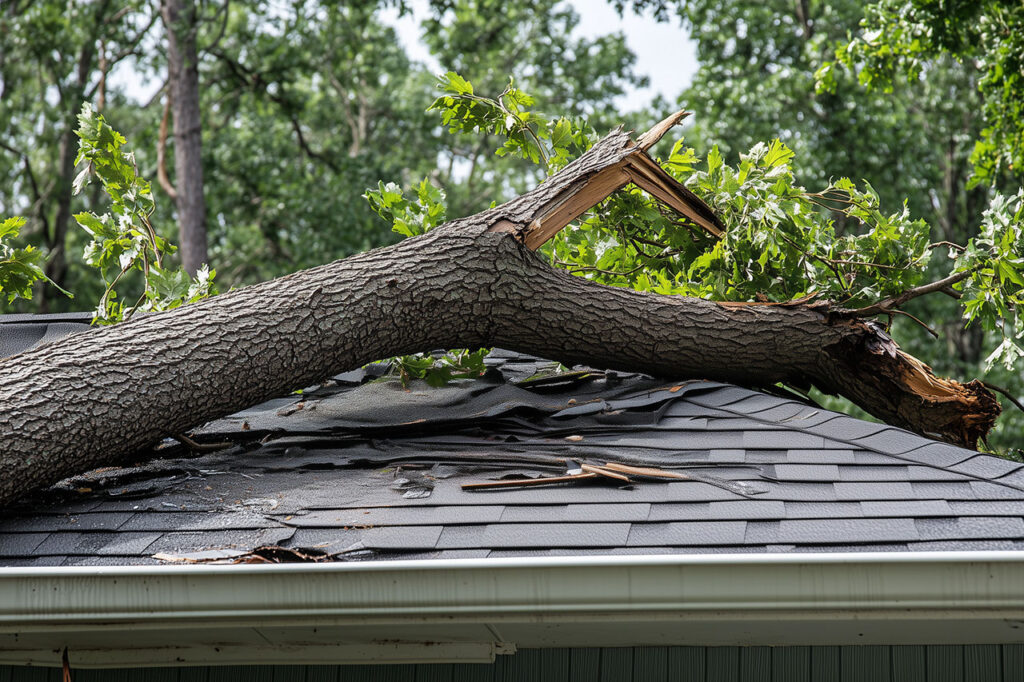
Trees add beauty, shade, and character to our outdoor spaces, but they can also become a safety risk if branches weaken, overgrow, or show signs of disease. A dangerous branch can fall without warning, potentially causing property damage, injury, or blocked roads and pathways.
If you have trees in your garden or near your home in Wimborne, Poole, Blandford, Ferndown, Verwood, Christchurch, or Bournemouth, it’s essential to recognise the warning signs and take action before a problem arises. Here’s how to spot dangerous branches and what to do about them.
How to Identify Dangerous Tree Branches
Some warning signs are obvious, while others require a trained eye. Look out for these common indicators of a hazardous tree branch:
1. Dead or Dying Branches
A branch that has lost its leaves outside of autumn, appears brittle, or has peeling bark may be dead or dying. These branches snap easily in high winds, creating a serious risk of damage and injury.
2. Cracks or Splits in the Wood
Large cracks or splits in branches indicate structural weakness. A cracked branch may still be attached to the tree but is more likely to fall unexpectedly, particularly after storms, heavy rain, or snowfall.
3. Branches Overhanging Property
Tree branches growing too close to homes, garages, fences, or power lines can lead to expensive repairs. Over time, heavy branches can press against roofs, windows, and gutters, causing structural damage or blockages.
4. Fungal Growth and Decay
Mushrooms, bracket fungi, or soft, spongy wood are signs of decay and internal rot. A decayed branch may look strong on the outside but could be hollow or crumbling inside, making it extremely unstable.
5. Leaning or Heavily Weighted Branches
If a tree’s branch is leaning unnaturally or appears to be heavily weighted on one side, it may be at risk of snapping under its own weight. Trees growing in exposed locations may suffer from storm damage, causing them to lean even further.
6. Pest Infestations
Holes in the wood, sawdust-like debris, or visible insects (such as wood-boring beetles) can weaken tree branches over time, making them more likely to break.
How to Deal with Dangerous Tree Branches
If you notice any of the warning signs above, it’s essential to act quickly to prevent accidents or further damage. Here’s how to manage hazardous branches safely.
1. Light Pruning for Small, Weak Branches
If you have a small branch that is clearly dead or weak, you may be able to safely remove it using pruning shears or a small saw. Cut the branch cleanly at the nearest healthy joint to prevent further issues.
Best Time to Prune:
🌳 Winter and early spring are the best times for pruning, as trees are dormant and less vulnerable to disease.
🚫 Avoid late spring and summer, as trees are actively growing, and improper pruning can cause stress.
2. Assess the Risk for Larger Branches
For large or high-up branches, it’s best to get a professional tree surgeon’s opinion before attempting any work. Cutting large branches incorrectly can cause:
❌ The branch to fall unpredictably.
❌ The tree to become unbalanced, leading to further damage.
❌ New growth issues if the cut is made in the wrong place.
3. Tree Reduction or Reshaping
If overhanging branches are becoming a problem, a tree reduction or reshaping service may be necessary. This involves carefully trimming back sections of the tree while keeping its natural shape and health intact.
4. Tree Removal for Severe Cases
If a tree has multiple hazardous branches or is showing signs of disease, severe decay, or instability, it may need to be removed entirely. Removing a tree is a last resort, but sometimes necessary to protect nearby structures and people.
5. Hire a Professional Tree Surgeon
If you’re unsure whether a tree branch is dangerous or need assistance with trimming, Hanwell Tree Care can inspect your trees and recommend the safest course of action.
✅ We provide tree assessments, pruning, and safe removals across Wimborne, Poole, Blandford, Ferndown, Verwood, Christchurch, and Bournemouth.
Act Now Before the Next Storm Hits
Spring is the perfect time to check your trees before storms or heavy winds cause unexpected damage. If you spot cracked, dead, or dangerously overhanging branches, don’t wait until it’s too late.
📞 Need a professional opinion? Contact Hanwell Tree Care today for expert advice and a free assessment.