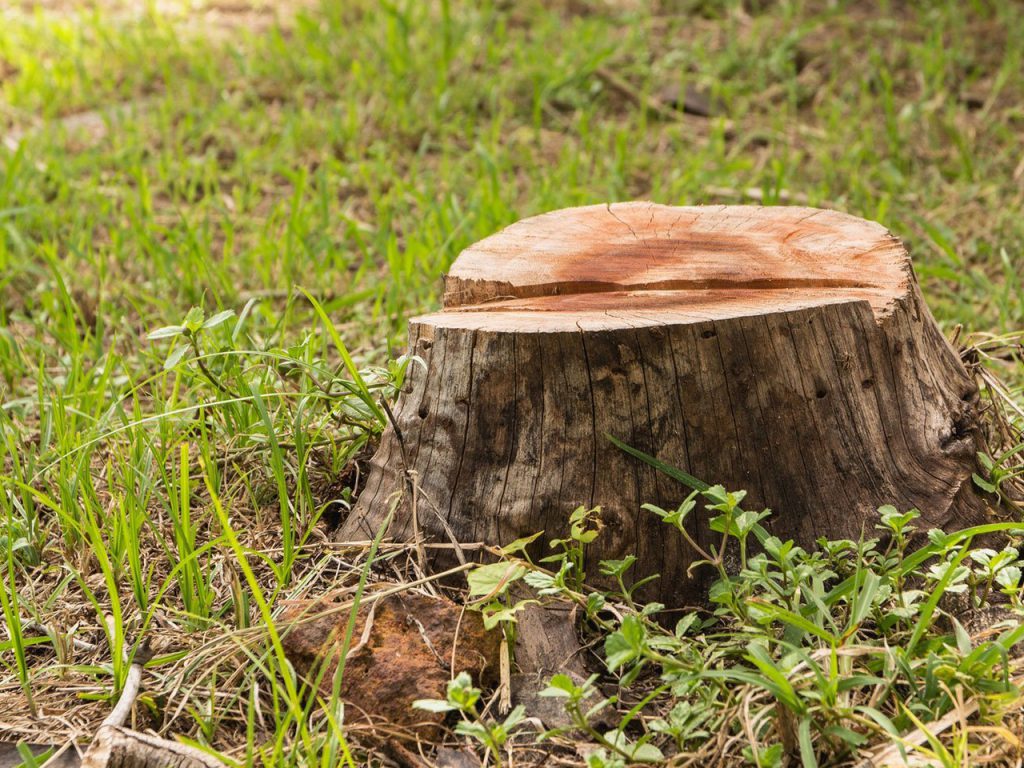
When a tree is felled, many homeowners assume the job is complete. The visible trunk is gone, the space is cleared, and the garden appears transformed. Yet beneath the surface, quite literally, the story is not over. The remaining stump often raises an important question that is frequently overlooked. Is stump removal necessary after tree felling
For homeowners across BH21 and the surrounding Dorset areas, understanding what to do next can make a significant difference to the safety, appearance, and long term health of their outdoor space. This guide explores whether stump removal is essential, the advantages of taking action, and when it may be reasonable to leave a stump in place.
What Happens After Tree Felling
Once a tree has been removed, the stump and its root system remain embedded in the ground. While the most obvious part of the tree is gone, the roots can continue to exist for years beneath the surface. In some cases, the stump may even attempt to regenerate, producing new shoots.
At first glance, a stump might seem harmless. However, its presence can affect everything from garden usability to soil condition and even nearby plant life.
What Is Stump Removal
Stump removal refers to the process of eliminating the remaining base of a tree after it has been cut down. The most common and effective method is stump grinding, where specialist machinery reduces the stump to wood chips below ground level.
Unlike full excavation, stump grinding is efficient, minimally disruptive, and suitable for most residential gardens. It allows the area to be reused for turf, planting, or landscaping without the obstruction of the old root base.
Is Stump Removal Necessary After Tree Felling
The necessity of stump removal depends on your intended use of the space, as well as practical and environmental considerations.
In many cases, stump removal is highly advisable. It ensures that the area can be safely and effectively reused while preventing a range of potential issues. That said, there are circumstances where leaving a stump may be acceptable, particularly in less frequented parts of a garden.
For most homeowners in BH21, especially those looking to maintain a tidy and functional outdoor space, removing the stump is the preferred and recommended course of action.
Benefits of Stump Removal
Removing a stump offers several clear advantages that go beyond simple aesthetics.
Improved Safety
Tree stumps can pose a significant trip hazard, particularly in gardens used by children or older residents. Removing the stump eliminates this risk entirely.
Enhanced Appearance
A leftover stump can detract from an otherwise well maintained garden. Removing it creates a clean and polished finish.
Prevention of Regrowth
Some tree species attempt to regenerate from the stump, leading to unwanted shoots and additional maintenance. Stump removal prevents this entirely.
Pest Prevention
Decaying wood can attract insects such as beetles, ants, and even rodents. Removing the stump reduces the likelihood of infestations spreading to other areas.
Risks of Leaving a Tree Stump
While leaving a stump may seem convenient, it can introduce several long term issues.
Trip Hazards
Even small stumps can be dangerous, especially when obscured by grass or foliage.
Disease and Decay
As the stump decomposes, it can harbour fungi and disease, which may spread to nearby plants and trees.
Insect Infestation
Rotting wood provides an ideal environment for pests, which can eventually migrate to healthy parts of the garden.
Impact on Landscaping
Stumps can interfere with lawn care, planting, and future landscaping projects, limiting how the space can be used.
When Might Stump Removal Not Be Necessary
There are situations where stump removal may not be essential.
If the stump is located in a remote or unused area of the garden, and there are no concerns about safety or aesthetics, it may be left to decay naturally. Some homeowners also choose to incorporate stumps into wildlife friendly gardens, where they can provide habitat for insects and fungi.
However, even in these cases, it is worth considering the long term implications, particularly if future landscaping is planned.
Stump Removal Methods
There are several approaches to stump removal, though not all are equally effective.
Stump Grinding
This is the most efficient and widely recommended method. A professional machine grinds the stump down below ground level, allowing the area to be reused quickly.
Manual Removal
This involves digging out the stump and roots by hand. It is labour intensive and often impractical for larger stumps.
Chemical Treatment
Chemicals can be used to accelerate decomposition, but this process is slow and may have environmental drawbacks.
For most homeowners in BH21, stump grinding carried out by a professional tree surgeon offers the best balance of speed, safety, and effectiveness.
Cost Factors for Stump Removal
The cost of stump removal can vary depending on several factors.
- The size and diameter of the stump
- The depth and complexity of the root system
- Accessibility of the site
- The number of stumps requiring removal
While it may be tempting to delay removal for cost reasons, addressing the issue promptly often prevents more expensive complications later.
Why Choose a Professional Tree Surgeon in BH21
Stump removal requires specialist equipment and expertise. Attempting to remove a stump without the proper tools can be time consuming, physically demanding, and potentially unsafe.
Hanwell Tree Care provides a reliable and professional service across BH21 and surrounding areas. With experienced tree surgeons, fully insured operations, and a commitment to leaving every site clean and tidy, they are trusted by homeowners throughout the region.
Their use of modern stump grinding equipment ensures efficient removal with minimal disruption to your garden.
Local Expertise and Service Area
Serving BH21 and nearby Dorset communities, Hanwell Tree Care understands the specific needs of local homeowners. Whether working in residential gardens or larger properties, their knowledge of the area allows them to deliver tailored and dependable tree care solutions.
From initial consultation to final clearance, their approach is centred on quality workmanship and customer satisfaction.
Conclusion
So, is stump removal necessary after tree felling The answer, in most cases, is yes. While it may be possible to leave a stump in certain situations, doing so often leads to avoidable issues over time.
Removing the stump improves safety, enhances the appearance of your garden, and prevents future complications. For homeowners in BH21, it is a practical step that ensures your outdoor space remains both functional and attractive.
If you have recently had a tree removed and are unsure what to do next, Hanwell Tree Care is ready to help. Their experienced team can assess your garden and provide professional stump removal tailored to your needs.
Frequently Asked Questions
Is stump removal always required after tree felling?
Not always, but it is recommended in most cases to prevent safety hazards and future issues.
How long does it take for a stump to rot naturally?
It can take several years, depending on the tree species and environmental conditions.
What is the best method of stump removal?
Stump grinding is generally the most effective and efficient method.
Can a tree grow back from a stump?
Yes, some species can regrow from a stump if it is not removed.
Does stump removal damage the garden?
When carried out professionally, stump grinding causes minimal disruption and allows for easy restoration.