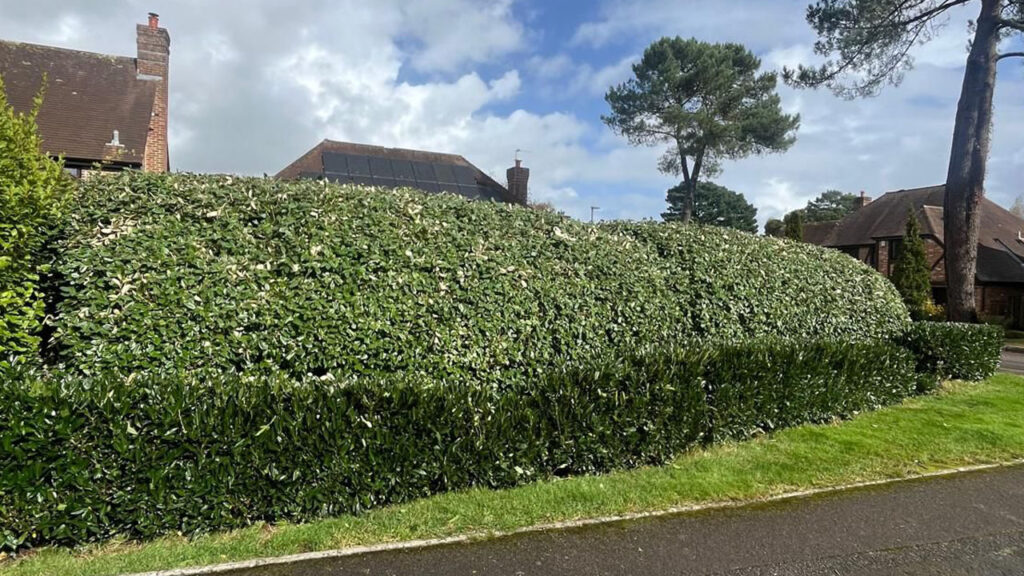
A well kept hedge can completely transform a garden. It creates privacy, improves kerb appeal, softens boundaries, and gives outdoor spaces a polished and cared for appearance. Yet when hedges are left unmanaged for too long, they can quickly become far more than a simple gardening issue. In many cases, overgrown hedges can cause genuine property damage, create safety hazards, and even lead to disputes with neighbours.
Across Dorset, many homeowners underestimate just how destructive unchecked hedge growth can become. Thick root systems, excessive moisture retention, blocked sunlight, and physical pressure from branches can all take a serious toll on surrounding structures over time. What begins as a slightly untidy hedge can eventually lead to cracked walls, damaged drainage systems, blocked pathways, and expensive repairs.
At Hanwell Tree Care, we regularly help homeowners throughout Bournemouth, Poole, Christchurch, and Dorchester deal with overgrown hedges before they become a costly problem. Professional hedge cutting and maintenance not only keeps gardens looking attractive but also protects homes and surrounding structures from long term damage.
How Overgrown Hedges Damage Property
Many people assume hedges are harmless because they appear softer and less invasive than large trees. However, mature hedges can become incredibly powerful when left to grow unchecked.
Some species develop extensive root systems that spread far beyond the visible hedge line. Others become excessively dense and heavy, placing pressure on nearby structures and trapping moisture against buildings. Over time, these issues can slowly compromise parts of your property without obvious warning signs.
Damage to Fences and Boundary Walls
One of the most common problems caused by overgrown hedges is damage to fences and boundary walls. As hedges thicken and expand, branches begin pressing against wooden panels, brickwork, and garden boundaries.
This constant pressure can cause:
• Leaning fence panels
• Cracked brickwork
• Rotting timber caused by trapped moisture
• Collapsed garden walls
• Loose posts and unstable structures
Dense hedges also prevent airflow around fencing, which creates damp conditions and accelerates deterioration. In coastal areas of Dorset where weather exposure is already an issue, this can significantly shorten the lifespan of boundary structures.
Regular hedge trimming helps reduce outward pressure and allows proper air circulation around fences and walls.
Can Hedge Roots Damage Foundations?
In some cases, yes.
Certain hedge species have aggressive root systems capable of spreading considerable distances underground. While foundations are not always directly cracked by roots themselves, problems can occur when roots draw moisture from the surrounding soil.
This is particularly relevant in areas with clay based ground conditions. As moisture levels change, soil movement can contribute to subsidence, which may affect:
• House foundations
• Conservatories
• Garden walls
• Patios
• Driveways
Large hedges planted too close to homes can become especially problematic as they mature. Leylandii hedges are one of the most common causes of concern due to their rapid growth and dense root systems.
Signs of potential foundation movement include cracks in walls, uneven flooring, doors sticking, or visible sinking around paved areas.
Professional assessment is important before removing large hedges because sudden removal can also affect soil conditions. Experienced tree surgeons understand how to manage hedge removal safely and responsibly.
Blocked Gutters and Roof Damage
Overgrown hedges positioned near homes can quickly interfere with guttering and roofing systems.
Leaves, twigs, and debris regularly accumulate in gutters when hedges are not maintained properly. Once blocked, rainwater cannot drain effectively, leading to overflowing gutters and water damage.
This may result in:
• Damp patches on interior walls
• Rotting fascia boards
• Moss growth on roofing
• Water pooling around foundations
• Damage to render and brickwork
Heavy branches can also scrape roof tiles during strong winds, gradually loosening or cracking them over time.
In Dorset, where coastal weather conditions often bring heavy rainfall and strong winds, maintaining clear separation between hedges and roofing is particularly important.
Underground Drainage Problems
Many homeowners are surprised to discover that hedge roots can infiltrate drainage systems.
Older pipes with minor cracks or weak joints are especially vulnerable. Roots naturally seek moisture and can enter drainage systems through tiny openings. Once inside, they continue expanding, eventually causing blockages and structural damage.
Common signs of drainage problems include:
• Slow draining sinks or toilets
• Unpleasant smells outdoors
• Persistent wet patches in the garden
• Gurgling pipework
• Repeated drain blockages
If left untreated, root intrusion can become extremely expensive to repair. In severe cases, entire sections of underground drainage may need replacing.
Routine hedge maintenance and professional inspections can help prevent roots from becoming invasive.
Problems with Patios, Driveways, and Pathways
As hedge roots spread beneath paved areas, they can gradually lift and displace hard surfaces.
This often leads to:
• Uneven paving slabs
• Cracked driveways
• Raised pathways
• Trip hazards
• Water pooling on surfaces
Even relatively small movement can create safety concerns, especially for elderly residents or visitors.
Overgrown hedges also cast heavy shade over patios and paths, encouraging moss and algae growth. Surfaces become slippery during wet weather and require far more maintenance.
Keeping hedges properly shaped improves light levels and airflow throughout the garden while reducing moisture related issues.
Neighbour Disputes and Legal Responsibilities
Overgrown hedges are one of the most common causes of neighbour disputes across the UK.
When hedges begin blocking light, overhanging boundaries, or causing damage to adjoining properties, tensions can quickly escalate. In some situations, local authorities may become involved under legislation relating to high hedges.
Homeowners have a responsibility to ensure hedges do not negatively affect neighbouring properties. Ignoring excessive growth can potentially result in complaints or enforcement action.
Common neighbour concerns include:
• Loss of natural light
• Encroaching branches
• Damage to shared fences
• Falling debris
• Restricted access
• Safety concerns during storms
Maintaining good communication and arranging regular hedge cutting helps avoid unnecessary disputes.
Safety Risks of Neglected Hedges
Beyond property damage, neglected hedges can create genuine safety hazards.
Dead or weakened branches hidden within dense growth may fall unexpectedly during high winds or storms. Overgrown hedges can obstruct visibility near driveways and roads, increasing the risk of accidents.
Other common hazards include:
• Hidden trip hazards
• Reduced security visibility
• Pest infestations
• Blocked walkways
• Fire risks during dry weather
Emergency hedge work is sometimes necessary after severe weather causes structural instability. At Hanwell Tree Care, we regularly assist Dorset homeowners with urgent hedge and tree issues following storms and high winds.
Signs Your Hedge Needs Professional Attention
Many hedge related problems develop gradually, which makes them easy to overlook.
Some warning signs include:
• Hedges growing beyond manageable height
• Branches touching roofs or walls
• Bare patches or dead growth
• Cracks appearing near paved areas
• Excessive shading in the garden
• Visible root spread near structures
• Difficulty maintaining shape
If your hedge has become difficult to control with standard garden tools, professional hedge cutting may be the safest and most effective solution.
The Benefits of Regular Hedge Maintenance
Routine hedge maintenance offers far more than aesthetic value.
Professionally maintained hedges are healthier, safer, and far less likely to damage surrounding structures. Regular cutting encourages controlled growth and prevents excessive weight build up.
Benefits include:
• Reduced risk of structural damage
• Improved garden appearance
• Better light penetration
• Healthier plant growth
• Fewer drainage problems
• Increased property appeal
• Lower long term maintenance costs
For many Dorset homeowners, scheduled hedge maintenance provides peace of mind while keeping outdoor spaces looking tidy throughout the year.
When Hedge Removal Becomes Necessary
Sometimes trimming alone is no longer enough.
Extremely overgrown, diseased, or poorly positioned hedges may require full removal to prevent ongoing problems. This is particularly true when root systems are already affecting structures or drainage systems.
Professional hedge removal ensures the work is completed safely while minimising disruption to surrounding areas. Stump removal may also be necessary to prevent regrowth and eliminate underground root activity.
At Hanwell Tree Care, we provide complete hedge removal, stump removal, garden clearance, and tree work services across Dorset.
Seasonal Hedge Care Advice for Dorset Homeowners
Different seasons bring different challenges for hedge maintenance.
Spring and summer are ideal for shaping and controlling new growth, while autumn is often the best time for heavier reductions before winter weather arrives.
During Dorset’s wetter months, overgrown hedges can quickly trap moisture and increase the risk of fungal problems or storm damage.
A professional maintenance schedule helps ensure hedges remain healthy and manageable all year round.
Protecting Your Property Starts with Proper Hedge Care
Overgrown hedges are far more than a cosmetic issue. Left unmanaged, they can damage fences, drainage systems, roofs, driveways, and even neighbouring properties. They may also create safety hazards and lead to avoidable repair costs.
The good news is that most hedge related problems are entirely preventable with regular professional maintenance.
At Hanwell Tree Care, we help homeowners across Dorset keep their gardens safe, tidy, and properly maintained with expert hedge cutting, tree work, stump removal, and garden clearance services.
If your hedge has become difficult to manage or you are concerned about potential property damage, now is the ideal time to act before minor issues become major repairs.
Contact Hanwell Tree Care today for professional advice and a free quotation.
FAQs
Can overgrown hedges damage house foundations?
Yes, certain hedge roots can contribute to soil movement and structural issues, particularly near older properties or clay based ground.
How often should hedges be cut?
Most hedges benefit from trimming at least once or twice a year depending on the species and growth rate.
Are homeowners responsible for overgrown hedges?
Yes, homeowners are generally responsible for ensuring hedges do not create hazards or negatively affect neighbouring properties.
Can hedge roots damage drains?
Yes, hedge roots can enter cracked or weakened drainage pipes and cause blockages or structural damage.
When should a hedge be removed completely?
Removal may be necessary when a hedge becomes diseased, unstable, excessively invasive, or causes ongoing structural problems.