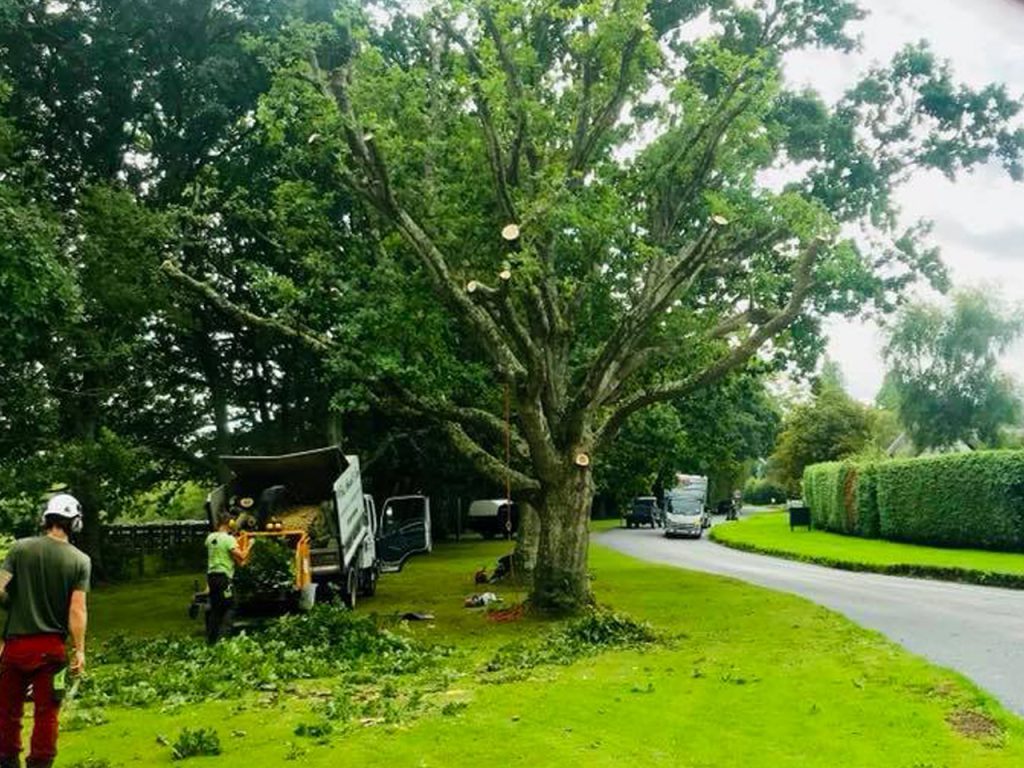
Caring for mature trees is about far more than appearances. Well maintained trees improve kerb appeal, provide shade, support wildlife, and add genuine value to both residential and commercial properties. However, when trees become too large, unbalanced, or damaged, they can quickly turn from an asset into a serious concern. This is where crown reduction becomes particularly important.
For homeowners and businesses across Bournemouth, Poole, and the surrounding Dorset area, crown reduction is one of the most effective ways to manage tree growth safely while preserving the health and beauty of the tree itself.
At Hanwell Tree Care, crown reduction is frequently recommended for trees that have outgrown their surroundings, become structurally vulnerable, or started causing issues for nearby buildings, roads, or gardens. Yet many people are unfamiliar with what the process actually involves or why it should always be carried out professionally.
What Is Crown Reduction?
Crown reduction is a specialist tree pruning technique that carefully reduces the overall height and spread of a tree’s canopy. The aim is to make the tree smaller while maintaining its natural shape and long term health.
Unlike harsh topping or indiscriminate cutting, proper crown reduction involves selective pruning. Branches are shortened back to suitable growth points so the tree can continue growing naturally and safely.
A professionally reduced crown should still look balanced and attractive once the work is complete. In fact, many people are surprised at how subtle well executed crown reduction can appear.
This type of tree work is commonly used on broadleaf species such as oak, sycamore, lime, maple, and beech trees throughout Dorset.
Why Crown Reduction Matters
Trees in urban and coastal environments face a wide range of pressures. High winds, limited growing space, nearby buildings, and changing weather conditions can all place stress on mature trees.
Crown reduction helps address these issues before they become dangerous or expensive.
Improved Safety
One of the primary reasons for crown reduction is safety. Large overextended branches can become hazardous during storms or periods of strong wind, something Bournemouth and Poole experience regularly during winter months.
Reducing the size and weight of the canopy decreases the likelihood of branch failure and helps improve the overall structural stability of the tree.
This can protect:
- Homes
- Vehicles
- Conservatories
- Roofs
- Pedestrians
- Roads and driveways
- Power lines
Preventing Property Damage
Overgrown trees can quickly begin interfering with nearby structures. Branches rubbing against roofs, gutters, windows, or fences can cause gradual but costly damage over time.
Root systems are not always the problem people assume they are. In many cases, it is the unchecked growth of the crown above ground that creates the greatest risk to properties.
A carefully managed crown reduction creates more clearance and reduces future maintenance concerns.
Better Light Levels
Dense tree canopies can block significant amounts of natural light from gardens and properties. This is especially common in residential areas where mature trees have grown substantially over decades.
Crown reduction can allow more sunlight into:
- Gardens
- Patios
- Conservatories
- Offices
- Outdoor seating areas
The result is often a brighter and more usable outdoor space without needing to remove the tree entirely.
Supporting Tree Health
Contrary to what some homeowners believe, crown reduction is not about harming a tree. When performed correctly, it can actually improve long term health.
Removing excessive weight from vulnerable limbs reduces strain on the tree’s structure and can minimise the likelihood of cracking or splitting.
It also improves airflow through the canopy, which may help reduce fungal issues and moisture related disease.
Crown Reduction Compared With Crown Thinning and Crown Lifting
Many people confuse crown reduction with other forms of tree pruning. While the techniques are related, they serve different purposes.
Crown Reduction
Crown reduction decreases the overall size of the canopy by shortening branches throughout the crown.
The tree becomes smaller while maintaining a natural appearance.
Crown Thinning
Crown thinning involves selectively removing smaller internal branches to reduce canopy density.
The overall size of the tree remains largely unchanged, but more light and air can pass through the crown.
Crown Lifting
Crown lifting removes lower branches to increase clearance beneath the tree.
This is commonly carried out over roads, footpaths, car parks, and driveways.
A professional tree surgeon will assess the species, condition, and location of the tree before deciding which approach is most appropriate.
Signs a Tree May Need Crown Reduction
There are several indicators that a tree may benefit from crown reduction.
Excessive Leaning
A canopy that has become heavily weighted on one side can place stress on the trunk and root system.
Reduction work can help rebalance the structure.
Overextended Branches
Long heavy limbs extending over buildings or public spaces may become vulnerable during storms.
Reduced Light
If a tree is excessively overshadowing your garden or property, reduction may help improve natural light levels without removing the tree.
Storm Damage
Trees damaged during high winds often require corrective pruning to restore structural integrity.
Proximity to Buildings
Trees growing too close to roofs, chimneys, telephone lines, or neighbouring properties frequently require ongoing management.
The Importance of Professional Tree Surgery
Tree work is far more technical than many people realise. Poor pruning practices can permanently damage a tree, create instability, and even shorten its lifespan significantly.
Unfortunately, improper crown reduction is extremely common.
Over pruning, topping, or cutting branches incorrectly can lead to:
- Weak regrowth
- Disease
- Decay
- Structural instability
- Premature tree decline
Professional tree surgeons understand how different species respond to pruning and how much foliage can safely be removed.
At Hanwell Tree Care, all crown reduction work is carried out with careful consideration for the tree’s health, appearance, and long term development.
Why DIY Tree Pruning Can Be Dangerous
Many homeowners attempt tree pruning themselves without understanding the risks involved.
Working at height with chainsaws and heavy branches is inherently dangerous. Every year, serious injuries occur due to falls, unstable ladders, and improper cutting techniques.
Beyond the safety concerns, unqualified pruning often causes irreversible damage to trees.
Incorrect cuts can leave wounds vulnerable to disease and decay, while excessive pruning may shock the tree and trigger unstable regrowth.
Professional tree surgeons use specialist climbing equipment, safety procedures, and arboricultural knowledge to complete the work safely and correctly.
Tree Preservation Orders and Legal Considerations
Before carrying out crown reduction, it is important to determine whether the tree is protected.
Many trees throughout Bournemouth, Poole, and Dorset fall under Tree Preservation Orders or conservation area restrictions.
Carrying out unauthorised work on protected trees can lead to substantial fines.
A professional tree care company can check local authority regulations and obtain any necessary permissions before work begins.
This provides peace of mind and ensures the work complies with current legislation.
Crown Reduction in Coastal Areas
Trees in coastal regions face unique environmental challenges.
Salt laden winds, storms, and exposed conditions can all affect tree stability and growth patterns. In areas around Bournemouth and Poole, mature trees are regularly subjected to strong seasonal weather that can increase the risk of branch failure.
Crown reduction is often used proactively to reduce wind resistance and lessen strain on vulnerable limbs.
This preventative approach can help trees withstand extreme weather more effectively while preserving their natural character.
Seasonal Tree Maintenance Matters
Tree care should not be viewed as a one off task. Ongoing maintenance plays an essential role in preserving healthy growth and identifying problems early.
Regular inspections allow tree surgeons to spot:
- Deadwood
- Disease
- Structural weakness
- Pest activity
- Storm damage
- Unsafe growth patterns
For many properties in Dorset, winter and early spring are ideal times for certain pruning works, although timing depends heavily on the species involved.
A professional assessment ensures pruning is carried out at the correct time and in the most beneficial way for the tree.
Choosing the Right Tree Surgeon
Not all tree surgery companies offer the same standard of workmanship.
When choosing a contractor for crown reduction, it is worth looking for:
- Qualified and insured arborists
- Experience with mature trees
- Strong local reputation
- Professional equipment
- Knowledge of British Standards for tree work
- Clear safety procedures
Reputable companies will always prioritise tree health rather than aggressive cutting simply to reduce workload.
At Hanwell Tree Care, every project is approached with careful planning, attention to detail, and respect for the surrounding environment.
Frequently Asked Questions
Does crown reduction harm a tree?
When carried out correctly by a qualified professional, crown reduction should not harm the tree. Proper pruning can actually improve structural stability and long term health.
How much can a tree be reduced?
The amount depends on the species, age, condition, and location of the tree. Excessive reduction should always be avoided.
How often should crown reduction be done?
Some trees may require maintenance every few years, while others need far less frequent work.
Is crown reduction better than removing a tree?
In many cases, yes. Crown reduction can solve safety and space concerns while preserving the tree itself.
Can crown reduction stop storm damage?
While no tree is completely storm proof, reducing excessive weight and wind resistance can significantly lower the risk of branch failure.
Final Thoughts
Crown reduction is one of the most effective ways to manage mature trees responsibly while preserving their natural beauty and long term health. Whether the goal is improving safety, increasing light, reducing storm risk, or protecting nearby property, professional pruning can make a substantial difference.
For property owners across Bournemouth, Poole, and the surrounding Dorset area, investing in expert tree care is far preferable to dealing with preventable damage or unsafe trees later on.
Hanwell Tree Care provides professional crown reduction, tree surgery, and ongoing tree maintenance services tailored to both residential and commercial properties. If you are concerned about an overgrown or potentially hazardous tree, the team can provide expert advice, site visits, and reliable recommendations based on the specific needs of your property.
Contact Hanwell Tree Care today to arrange a quote or discuss your tree maintenance requirements with an experienced local specialist.