Trees are among the most valuable features of any landscape. They provide shade, improve air quality, support local wildlife and enhance the appearance of homes, businesses and public spaces alike. However, like any living organism, trees can become vulnerable to disease. When leaves begin to discolour, branches start to die back or fungi appear around the base of the trunk, many property owners understandably wonder whether the tree can be saved or whether it has reached the end of its life.
The encouraging news is that many diseased trees can be successfully treated, particularly when problems are identified early. A qualified tree surgeon has the knowledge, equipment and experience to diagnose the issue, recommend the most appropriate course of action and, where possible, restore the tree to good health.
Whether you are searching for a tree surgeon in Bournemouth, tree surgeon in Poole or tree surgeon in Verwood, understanding how tree diseases develop and how professionals manage them can help you make informed decisions that protect both your property and the surrounding environment.
What Causes Tree Diseases?
Tree diseases develop for many different reasons. Some are caused by fungal infections, while others result from bacteria, viruses or environmental stress. Poor soil conditions, prolonged drought, storm damage and physical injuries can all weaken a tree’s natural defences, making it more susceptible to disease.
Construction work, soil compaction and incorrect pruning techniques can also place trees under significant stress. Once weakened, they become much more vulnerable to harmful organisms that would otherwise have little effect on a healthy specimen.
Across Dorset, changing weather patterns and periods of prolonged wet weather have also contributed to an increase in certain fungal diseases that affect both ornamental and native trees.
Common Signs That a Tree May Be Diseased
Recognising the warning signs early gives your tree the greatest chance of recovery.
Some of the most common symptoms include:
- Leaves turning yellow or brown outside their normal seasonal cycle
- Premature leaf drop
- Dead or dying branches
- Cracks within the trunk
- Peeling or missing bark
- Fungal growth around the base or trunk
- Soft or decaying wood
- Excessive sap or unusual bleeding
- Sparse foliage during the growing season
- Branches becoming brittle or falling unexpectedly
While some of these symptoms may appear minor at first, they often indicate an underlying problem that requires professional assessment.
Can a Tree Surgeon Save a Diseased Tree?
In many cases, yes.
A professional tree surgeon can often save a diseased tree provided the condition is diagnosed before extensive structural damage has occurred. Treatment depends on several factors, including the type of disease, the tree species, its age, its overall health and the extent of the infection.
Rather than simply removing a tree, an experienced tree surgeon will first assess whether there is a realistic opportunity for recovery.
Treatment may include:
- Removing infected branches
- Improving soil conditions
- Reducing stress through careful pruning
- Increasing airflow around the canopy
- Managing pests contributing to the disease
- Recommending watering or mulching programmes
- Monitoring the tree over time
The objective is always to preserve healthy trees wherever it is safe and practical to do so.
Common Tree Diseases Found in the United Kingdom
Several diseases affect trees throughout Dorset and the wider United Kingdom.
Ash Dieback
Ash dieback has devastated millions of ash trees across the country. The disease causes leaves to wilt before branches gradually die back. Although younger trees often succumb quickly, mature specimens can sometimes survive with careful monitoring and management.
Honey Fungus
Honey fungus attacks tree roots and spreads underground, making it particularly destructive. Early intervention may help reduce its spread, although severely affected trees often require removal.
Dutch Elm Disease
This disease is spread by bark beetles and has dramatically reduced the elm population throughout Britain. Early identification remains essential to minimise transmission.
Bleeding Canker
Most commonly affecting horse chestnut trees, bleeding canker produces dark fluid that seeps from the bark. Some trees recover naturally, while others require ongoing management.
Oak Decline
A combination of environmental pressures, insects and fungal pathogens can weaken oak trees over time. Professional monitoring often helps extend the lifespan of affected specimens.
Why Early Diagnosis Matters
Timing is one of the most important factors when dealing with a diseased tree.
Many diseases begin internally before obvious symptoms become visible. By the time leaves start falling or branches die back, the infection may already have progressed significantly.
Regular inspections by a qualified tree surgeon can identify subtle changes long before they become serious. Early diagnosis often allows treatment to begin before irreversible damage occurs, increasing the likelihood of preserving the tree.
When Tree Removal Is the Safest Option
Unfortunately, not every diseased tree can be saved.
If disease has severely weakened the trunk, compromised the root system or created a significant safety risk, removal may be the most responsible course of action.
A dangerous tree presents risks including:
- Falling branches
- Complete structural failure
- Damage to buildings
- Damage to vehicles
- Injury to people
- Risks to neighbouring properties
An experienced tree surgeon will always explain why removal is necessary and recommend replacement planting where appropriate.
Why You Should Never Attempt DIY Tree Treatment
Many homeowners are tempted to prune diseased branches themselves or apply treatments purchased online.
Unfortunately, incorrect pruning can make matters worse. Poor cuts create fresh entry points for infection, while contaminated tools may spread disease to healthy trees.
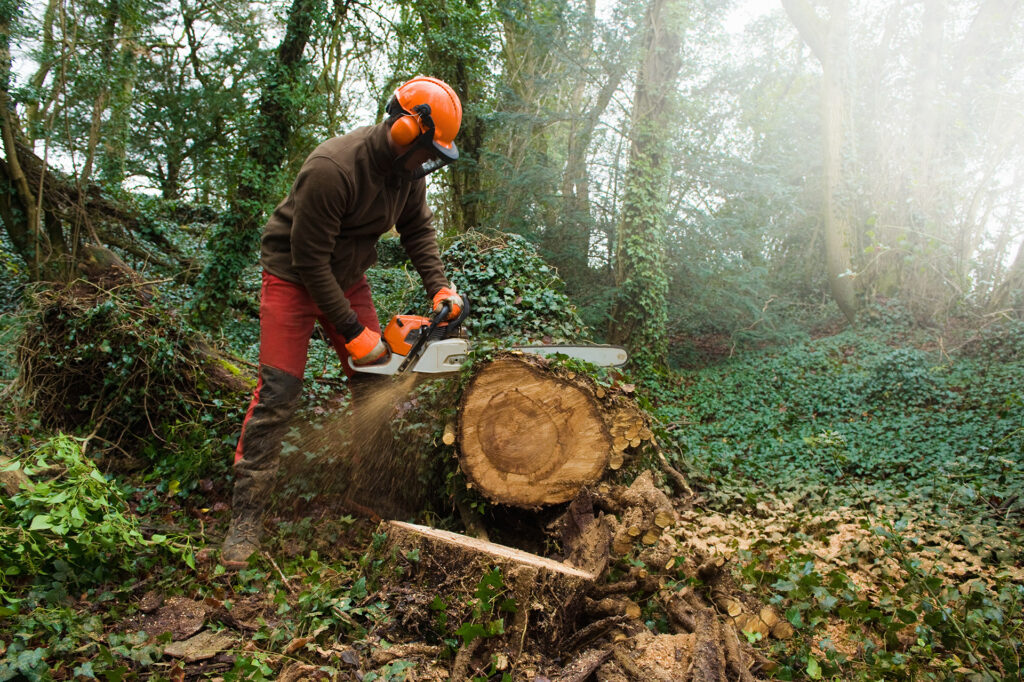
Working at height with chainsaws also presents obvious safety hazards.
Professional tree surgeons understand how each species responds to pruning and use specialist equipment to carry out work safely while minimising stress on the tree.
How Professional Tree Inspections Work
A professional inspection involves much more than simply looking at the tree.
A qualified tree surgeon assesses:
- Overall tree health
- Crown condition
- Branch structure
- Trunk integrity
- Root stability
- Soil condition
- Signs of fungal infection
- Pest activity
- Previous pruning work
- Potential risks to nearby structures
Where necessary, additional investigations may be recommended to establish the full extent of any internal decay.
Preventing Disease Through Regular Tree Maintenance
Prevention is always preferable to treatment.
Routine maintenance helps trees remain vigorous and better equipped to resist disease naturally.
Regular tree care may include:
- Crown thinning
- Crown reduction
- Crown lifting
- Deadwood removal
- Removal of crossing branches
- Soil improvement
- Mulching
- Health inspections
These measures improve airflow, reduce moisture retention and remove damaged material before disease becomes established.
Can Tree Disease Spread?
Yes.
Many tree diseases spread surprisingly quickly.
Some fungal spores travel through the air, while others move through the soil or are carried by insects. Diseased roots can even transfer infection directly to neighbouring trees underground.
Prompt professional intervention protects not only the affected tree but often nearby trees across the entire landscape.
Tree Preservation Orders and Conservation Areas
Before carrying out work on certain trees, permission may be required from the local authority.
Trees protected by a Tree Preservation Order or located within a Conservation Area often require formal consent before pruning or removal can take place.
A knowledgeable tree surgeon understands these legal requirements and can advise property owners accordingly, ensuring all work complies with current legislation.
When Emergency Tree Work Is Needed
Storms, strong winds and sudden structural failure can quickly turn a diseased tree into an emergency.
Signs that immediate attention is required include:
- Large hanging branches
- Split trunks
- Leaning trees
- Uprooted root plates
- Fallen limbs blocking roads or driveways
Hanwell Treecare provides twenty four hour emergency tree services across Dorset, responding promptly to make dangerous trees safe and minimise further damage.
Why Choose Hanwell Treecare?
Whether you require a tree surgeon in Bournemouth, tree surgeon in Poole, tree surgeon in Ferndown or tree surgeon in Verwood, Hanwell Treecare delivers professional tree care for residential and commercial clients throughout Dorset.
Their qualified, fully insured team provides:
- Tree surgery
- Tree felling
- Crown reduction
- Crown thinning
- Crown lifting
- Pollarding
- Deadwood removal
- Stump grinding
- Hedge maintenance
- Emergency tree work
- Tree inspections
- Ongoing tree maintenance programmes
Every recommendation is based upon safety, long term tree health and the individual needs of each customer.
Conclusion
A diseased tree does not automatically need to be removed. In many cases, skilled intervention from an experienced tree surgeon can halt the progression of disease, improve the tree’s health and preserve an important part of your landscape for many years to come.
The key is acting quickly. Ignoring the early signs of disease allows problems to worsen, increasing both the risk to surrounding trees and the likelihood that removal will become unavoidable.
If you have concerns about a tree on your property, whether you are a homeowner, landlord or business owner, Hanwell Treecare can provide an expert assessment and honest advice. Serving Ferndown, Verwood, Bournemouth, Poole and residential and commercial clients across Dorset, their qualified and fully insured team is ready to help you protect your trees safely and professionally.
Frequently Asked Questions
Can a diseased tree recover?
Yes. Many diseased trees recover when the problem is identified early and treated by a qualified tree surgeon. The outcome depends on the type of disease and the overall health of the tree.
How do I know if my tree needs removing?
A professional inspection is the safest way to determine this. If the tree has severe decay, structural instability or poses a safety risk, removal may be recommended.
Can tree diseases spread to other trees?
Yes. Many diseases spread through spores, insects, soil or root systems, making prompt treatment essential.
How often should trees be inspected?
Most healthy mature trees benefit from an inspection every few years, while older trees or those near buildings should be assessed more frequently.
Is it safe to prune a diseased tree myself?
No. Incorrect pruning can spread infection, weaken the tree further and create serious safety risks.
Do I need permission to remove a diseased tree?
If the tree is protected by a Tree Preservation Order or located within a Conservation Area, permission may be required before work begins.